If you live in Louisville, you already know: ragweed season here is brutal. The Ohio River Valley traps pollen, the humidity keeps it airborne, and the warm falls extend the season well past what most of the country deals with. Late August through October — sometimes into November if the frost comes late — is misery for anyone with ragweed sensitivity.
As a physician living in this area, I see the pattern every year. Patients cycle through antihistamines, nasal sprays, and decongestants, getting partial relief with side effects they’d rather avoid. The good news is that several natural strategies can significantly reduce your symptoms — either alongside medication or, for milder cases, instead of it.
Here are five approaches that work, in order of impact.
1. Halotherapy (salt therapy) for respiratory inflammation
This is the strategy I recommend first because it directly addresses the core problem: inflamed airways reacting to pollen.
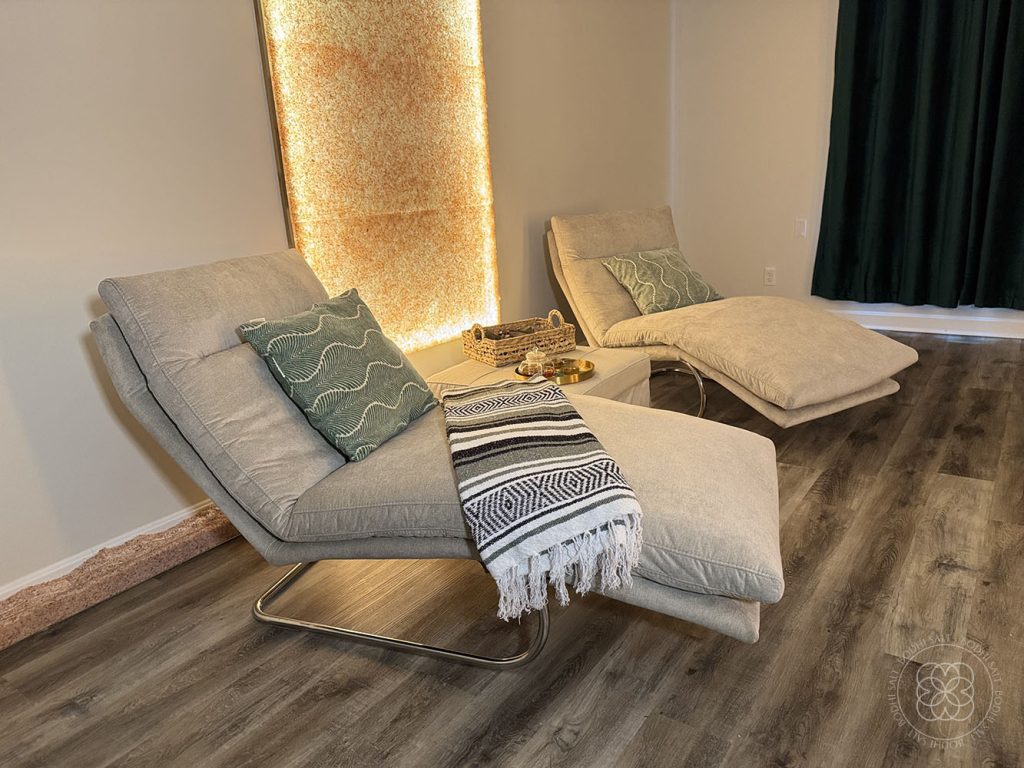
During a 45-minute session in our salt room at Bodhi Salt Center, you breathe microscopic pharmaceutical-grade salt particles that reduce inflammation in your nasal passages, sinuses, and bronchial tubes. The salt also thins mucus (making it easier to clear), kills bacteria that cause secondary sinus infections, and helps your body expel trapped allergen particles.
The timing matters. Starting sessions in mid-August — before peak ragweed hits in September — gives your respiratory system a head start. During peak season, 2-3 sessions per week provides the most noticeable relief. Many of our Louisville families who start this preventative approach report getting through fall without the constant sinus infections that used to be inevitable.
For kids, our dedicated Kids’ Salt Room offers the same respiratory benefits in a supervised, playful environment. Parents frequently tell us it’s become their go-to for getting through the school-year allergy cycle.
2. Indoor air quality management
When pollen counts spike outside, your home needs to be a clean-air refuge. Louisville homes — especially older ones — become pollen traps without deliberate management.
The highest-impact changes: install HEPA air purifiers in bedrooms and main living areas, and upgrade your HVAC filters to MERV 11-13 during ragweed season (change them monthly, not quarterly). Keep windows closed during peak pollen hours (5-10 AM on dry, windy days). Use a dehumidifier in the basement — Louisville’s humidity promotes mold growth, which compounds allergy symptoms.
Establish a “pollen decontamination” routine: shoes off at the door, change clothes after being outside, shower before bed to rinse pollen from hair and skin. Wash bedding weekly in hot water. These habits sound small but the cumulative effect is significant.
Track daily pollen counts through Weather.com, Pollen.com, or local stations like WDRB and WHAS11. Plan outdoor activities for late evening when counts drop.
3. Dietary strategies to reduce histamine response
Your diet influences your allergic response more than most people realize. During ragweed season, certain foods amplify histamine while others help suppress it.
Foods that help: quercetin-rich options like apples (with skin), blueberries, red onions, and broccoli act as natural antihistamines. Omega-3 fatty acids from salmon, walnuts, and flaxseeds reduce systemic inflammation. Vitamin C from bell peppers, citrus, and kiwi stabilizes the mast cells that release histamine. Probiotic foods like yogurt, kefir, and sauerkraut support the immune balance that modulates allergic response.
Foods to limit during peak season: alcohol (increases histamine), aged cheeses (high in histamines), processed foods (pro-inflammatory), and high-sugar foods (suppress immune function). If you have ragweed allergies specifically, watch for cross-reactive foods — bananas, melons, cucumbers, and zucchini can trigger oral allergy syndrome in ragweed-sensitive individuals.
Stay well-hydrated. At least 8-10 glasses of water daily thins mucus and helps your body flush allergens more efficiently.
4. Nasal irrigation
This is the most underutilized allergy strategy I see. Nasal irrigation physically washes pollen out of your nasal passages before it triggers a full immune response. Studies show regular saline rinses can reduce allergy symptoms by up to 30% and decrease the need for antihistamines.
Use a neti pot or squeeze bottle with sterile or distilled water (never tap water) mixed with saline packets. Rinse twice daily during ragweed season — morning and before bed. After extended outdoor exposure, rinse immediately when you get home.
It takes a few days to get comfortable with the technique, but once it becomes routine, most people wonder how they managed without it. For kids, make it playful — call it “nose shower time” and lead by example.
5. Lifestyle timing and stress management
Small schedule adjustments make a real difference. Pollen counts peak between 5-10 AM, so shift outdoor exercise to evenings. On high-count days, move workouts indoors entirely. Wear wraparound sunglasses outside to protect eyes from airborne pollen.
Stress management isn’t just a nice-to-have during allergy season — it directly affects your immune response. Elevated cortisol from chronic stress amplifies allergic reactions. Prioritize 7-9 hours of sleep, incorporate some form of daily movement, and consider practices that actively downregulate your nervous system.
At Bodhi Salt Center, Dasha leads pranayama (breathwork) classes inside the salt room — combining respiratory training with salt therapy in an environment specifically designed for nervous system recovery. Our cedar barrel steam sessions — the only cedar barrels in Louisville — provide deep respiratory clearing through herbal steam after high-pollen days. And contrast therapy (salt sauna + cold plunge) supports immune function through the hot/cold stimulus.
Your ragweed season action plan
Mid-August (before peak): Start halotherapy sessions 2x/week. Install HEPA filters. Stock saline rinse supplies. Shift toward anti-inflammatory foods.
September (peak season): Increase halotherapy to 2-3x/week. Strict post-outdoor decontamination routine. Daily nasal irrigation morning and evening. Time outdoor activities for late evening.
October through first frost: Maintain all strategies. Track what’s working in a simple symptom journal. Continue halotherapy until symptoms fully resolve.
The key is starting early. Waiting until you’re already miserable means playing catch-up against inflammation that’s already established. A preventative approach — beginning in August before peak pollen hits — is significantly more effective than a reactive one.
When to see your doctor: If symptoms interfere with sleep or daily function despite these strategies, if you develop difficulty breathing or wheezing, or if you notice signs of sinus infection (thick discolored discharge, facial pain, fever), get medical attention. These natural approaches complement medical care — they don’t replace it when it’s needed.
Ready to get ahead of ragweed season?
Book a session at Bodhi Salt Center in St. Matthews (4802 Sherburn Lane, Louisville) or call (502) 252-1030. We’re open Tuesday through Friday 8 AM–5 PM, Saturday 10 AM–4 PM, and Sunday 10 AM–4 PM.
About the Author
Dr. Anton Grankin is a physician and co-founder of Bodhi Salt Center in Louisville, KY. His medical background informs Bodhi’s evidence-based approach to allergy management and respiratory health, helping Louisville families navigate seasonal challenges with natural, clinically informed strategies.